When it comes to choosing a roof for your home, the decision between a slate or tile roof can feel daunting. Both options offer longevity, durability, and aesthetic appeal, yet they differ in material, installation, maintenance, and cost. Knowing the distinctions is crucial to making an informed choice that balances functionality, style, and budget.
What Is a Slate Roof?
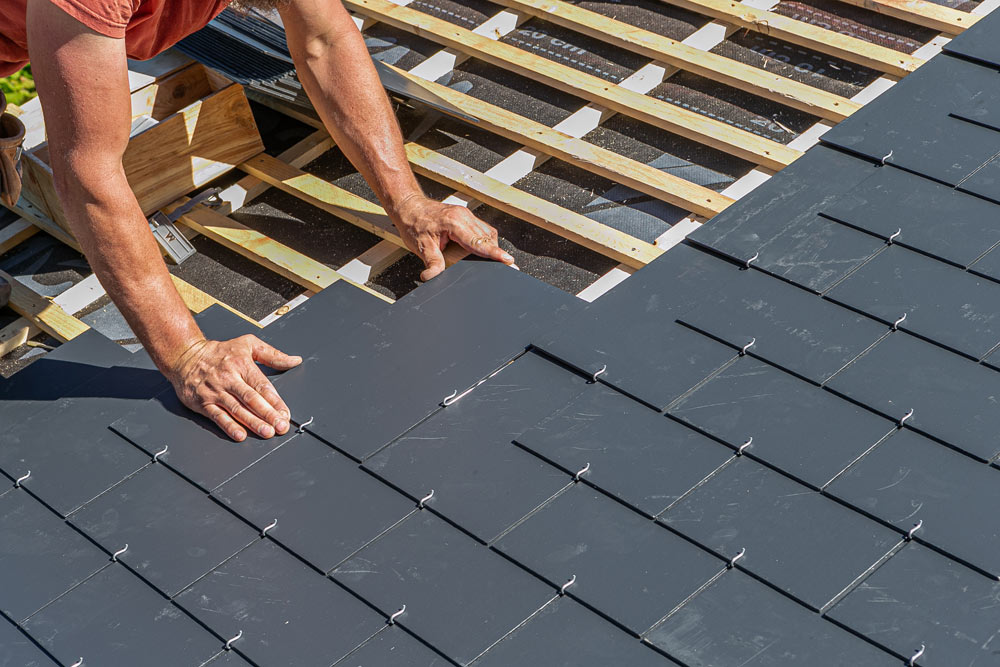
Slate roofing is crafted from natural stone, usually quarried from regions with abundant metamorphic rock. Each slate tile is a thin, flat piece of stone that has been split from larger slabs. The appeal of slate lies in its natural beauty: each tile has unique colour variations, subtle textures, and a timeless elegance that few other roofing materials can match.
Advantages of Slate Roofs
-
Longevity – A properly installed slate roof can last anywhere from 75 to 200 years. This longevity makes it one of the most durable roofing options available.
-
Aesthetic Appeal – Slate provides a classic, sophisticated look that enhances property value and complements traditional or period architecture.
-
Fire Resistance – Being a natural stone, slate is non-combustible and offers excellent fire resistance.
-
Low Maintenance – Slate requires minimal maintenance compared with some other roofing materials, although occasional inspection is recommended.
Disadvantages of Slate Roofs
-
High Initial Cost – Slate is expensive, both in terms of material and installation. Skilled installers are essential to avoid damage.
-
Weight – Slate is significantly heavier than most roofing materials. Your home’s structure may require reinforcement to accommodate the weight.
-
Fragility During Installation – Although durable in the long term, slate tiles are brittle and can break if mishandled during installation or repairs.
What Is a Tile Roof?
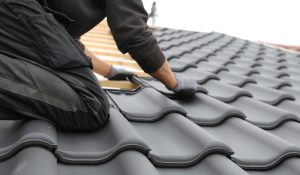
Tile roofs, typically made from clay or concrete, have been a popular roofing solution for centuries. Clay tiles are crafted from natural clay that is moulded and kiln-fired, while concrete tiles are a mixture of cement, sand, and water, offering more flexibility in colour and design.
Advantages of Tile Roofs
-
Versatility – Tile roofs come in a wide variety of shapes, sizes, and colours, allowing homeowners to tailor the look to modern or traditional homes.
-
Durability – Clay and concrete tiles are resistant to rot, insects, and harsh weather conditions. Lifespan can range from 50 to 100 years.
-
Energy Efficiency – Tiles naturally help regulate indoor temperatures, keeping homes cooler in summer and warmer in winter.
-
Fire Resistance – Like slate, tile roofs are non-combustible, offering an extra layer of protection against fire hazards.
Disadvantages of Tile Roofs
-
Weight – Similar to slate, tile roofs are heavy and may require structural reinforcement.
-
Installation Cost – Skilled labour is needed for proper installation, though tiles themselves are often cheaper than slate.
-
Brittleness – While durable, tiles can crack under extreme impact, such as falling branches or heavy hail.
Key Differences Between Slate and Tile Roofs
Material and Appearance
The most obvious difference is the material. Slate is natural stone with subtle colour variations, while tile can be clay or concrete with uniform or glazed colours. Slate offers a more elegant and traditional look, often suited to period homes, whereas tiles can range from rustic clay terracotta to sleek modern concrete options.
Lifespan
Slate generally outlasts tile. A high-quality slate roof can remain functional for well over a century, whereas tiles usually have a slightly shorter lifespan, depending on the material and maintenance. Concrete tiles often last 50–60 years, while clay can last 75 years or more.
Weight and Structural Requirements
Both roofs are heavy, but slate is typically denser. A slate roof may require additional structural support, especially for older buildings, while tiles are marginally lighter but still heavier than asphalt or metal alternatives.
Cost Considerations
Upfront costs for slate are higher, reflecting the material’s rarity and the specialised skills required for installation. Tile roofs are generally more affordable in terms of material, though installation costs can still be significant. It’s worth considering the long-term value: while slate is more expensive initially, its longevity can make it a cost-effective option over decades.
Maintenance and Repairs
Slate is low maintenance but difficult to repair if broken, as matching natural stone can be challenging. Tile roofs are slightly easier to repair due to the availability of replacement tiles, but tiles can crack more easily under impact. Regular inspections are recommended for both types.
Climate Suitability
Slate roofs perform well in most climates but are particularly suited to areas with heavy rain or snow because of their water resistance. Tile roofs are excellent in warmer climates, as clay and concrete tiles provide natural insulation against heat, but they also withstand cold and wet conditions if installed correctly.
Making the Choice: Slate or Tile Roof?
When deciding between a slate or tile roof, consider these factors:
-
Budget – Slate carries a higher upfront cost but offers longevity, while tile is more affordable initially.
-
Aesthetic Preference – If your home has a period or traditional design, slate may offer a more authentic look. For a modern or Mediterranean style, tiles provide flexibility in colour and shape.
-
Structural Support – Ensure your property can support the weight of either material. Older homes may need reinforcement for slate.
-
Local Climate – Choose a roof material suited to your area’s weather conditions, factoring in rain, snow, heat, and wind.
-
Maintenance Willingness – Consider whether you want minimal upkeep or don’t mind occasional inspections and repairs.
Conclusion
Both slate and tile roofs have much to offer, from durability and fire resistance to aesthetic charm. The decision ultimately hinges on your home’s design, your budget, and your priorities regarding longevity and maintenance. While slate may provide a timeless elegance and century-spanning durability, tiles offer versatility, slightly lower costs, and a wide palette of design choices.
If you’re weighing the options for your next roofing project, consulting an experienced roofer can help clarify which material aligns best with your home and lifestyle. Whether you choose slate or tile, a well-installed roof can protect your home for decades while enhancing its character and value.
Choosing between a slate or tile roof isn’t just about looks; it’s a strategic investment in your property’s future. Understanding the differences ensures that your roof not only performs well but also complements your home aesthetically for years to come.