Flat roofs are a popular choice for both residential and commercial properties in the UK. Their sleek design, easier access, and cost-effectiveness make them a practical option for many buildings. However, flat roofs come with unique challenges, and understanding common flat roof problems is essential to prevent costly repairs or replacements. In this guide, we’ll explore the most frequent flat roof issues and how to avoid them.
1. Water Pooling and Ponding
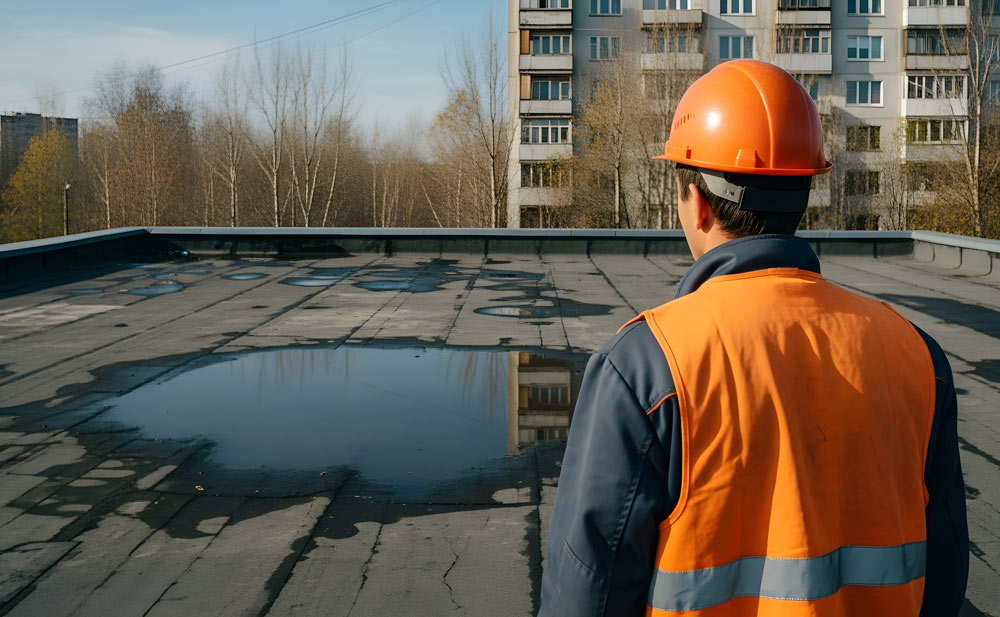
One of the most common flat roof problems is water pooling or ponding. Unlike pitched roofs, flat roofs don’t naturally shed water as efficiently. Over time, even shallow puddles can damage the roofing membrane, weaken joints, and lead to leaks.
Ponding typically occurs due to insufficient slope, blocked drainage outlets, or debris accumulation. Regular inspections, clearing leaves and dirt, and ensuring proper drainage are essential to prevent water from stagnating. In some cases, adding extra outlets or improving the roof slope may be necessary to avoid ongoing issues.
2. Leaks and Water Ingress
Leaks are another frequent issue with flat roofs. They can appear as water stains on ceilings, damp patches in walls, or even mould growth. Common causes include cracked membranes, damaged seals around roof penetrations, or poorly installed joints.
Even small leaks should not be ignored, as water can penetrate insulation or structural supports, causing extensive damage over time. Hiring professional roofers to identify and repair leaks ensures a durable, long-lasting solution, while DIY fixes often only provide temporary relief.
3. Blistering and Bubbling
Blistering occurs when air or moisture becomes trapped beneath the roof membrane, causing bubbles to form. This problem often arises from poor installation or water seeping into the layers of the roof.
Blisters compromise the roof’s integrity and can burst, resulting in leaks. Repairing blistering usually involves removing the affected section and replacing it with a high-quality, durable membrane. Early intervention prevents further deterioration and maintains the roof’s protective function.
4. Cracking and Splitting
Flat roofs, particularly those made from felt, rubber, or asphalt, are prone to cracking over time. Temperature fluctuations, UV exposure, and natural ageing can cause the materials to split. Cracks create weak points where water can enter, potentially damaging insulation and the supporting structure.
Routine inspections allow early detection of cracks. Minor cracks may be patched, while extensive damage might require a complete replacement to ensure the roof remains watertight. Choosing high-quality materials can also reduce the likelihood of cracking.
5. Poor Installation
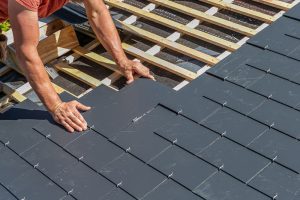
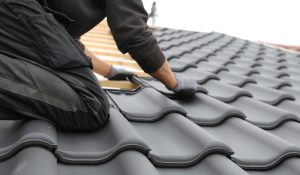
Many flat roof problems stem from poor installation. If the roof membrane is not applied correctly or the edges and seams are weak, it can lead to leaks, ponding, and premature failure. Poor installation is particularly common in DIY projects or when inexperienced contractors are used.
Using a professional roofing company ensures proper installation from the start. Experienced roofers understand the correct techniques, materials, and drainage requirements, reducing the likelihood of future problems.
6. Blocked Gutters and Drains
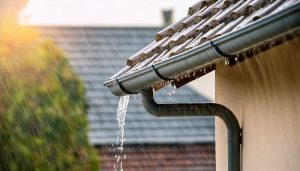
Effective drainage is vital for flat roofs. Blocked gutters, downpipes, or drainage outlets can cause water to accumulate on the roof, increasing the risk of leaks and structural damage.
Regular maintenance is key to preventing these issues. Clearing debris, checking the roof outlets, and ensuring the drainage system is functioning correctly helps maintain a flat roof’s longevity and performance.
7. Moss, Algae, and Vegetation Growth
Flat roofs may develop moss, algae, or other vegetation, especially in damp or shaded areas. Plant growth traps moisture against the roof surface, accelerating material deterioration and increasing the risk of leaks.
Regular cleaning and professional maintenance help prevent moss and algae from establishing. Additionally, some modern roofing materials are treated to resist biological growth, offering longer-lasting protection.
8. UV Damage and Material Degradation
Flat roofs are constantly exposed to the elements. Prolonged sunlight and UV radiation can degrade roofing membranes, causing brittleness, cracking, and fading. As the materials weaken, the risk of leaks and water ingress increases.
Selecting high-quality, UV-resistant membranes and protective coatings can extend the lifespan of a flat roof. Routine inspections also help catch early signs of UV damage before more extensive repairs are required.
9. Structural Movement
Buildings naturally expand and contract due to temperature changes and settling. Flat roofs are susceptible to this movement, which can stress the roofing membrane, causing splits, gaps, or loose seams.
Regular checks for signs of movement and early repairs help maintain a watertight seal. In some cases, reinforcing the roof deck or re-securing the membrane may be necessary to prevent long-term damage.
10. Poor Ventilation
Inadequate ventilation is a frequently overlooked flat roof problem. Without proper airflow, moisture can build up beneath the roof, leading to condensation, mould growth, and material decay.
Ensuring sufficient ventilation through vents or breathable membranes reduces damp-related problems. Roofers often recommend incorporating ventilation during installation or upgrading existing roofs to improve airflow.
How to Avoid Flat Roof Problems
Preventing flat roof problems largely comes down to regular maintenance, inspections, and professional installation. Key tips include:
-
Schedule annual professional roof inspections.
-
Keep gutters, drains, and the roof surface clear of debris.
-
Check for blisters, cracks, or loose edges regularly.
-
Repair leaks promptly before they worsen.
-
Use high-quality, durable roofing materials.
-
Ensure proper ventilation and drainage to prevent condensation and ponding.
Working with an experienced roofing company ensures these preventative measures are carried out correctly, helping avoid expensive repairs in the future.
Conclusion
Flat roof problems are common, but many can be avoided with careful attention, professional installation, and proactive maintenance. From water pooling and leaks to material degradation and poor ventilation, understanding the risks allows homeowners and businesses to take action early.
Regular inspections, timely repairs, and working with reputable roofers like Elev8 Roofing can extend the life of a flat roof, maintain its appearance, and protect your property. Don’t wait for small issues to become major headaches—invest in proper care today and enjoy the full benefits of a reliable flat roof.